- News
- entertainment
- bengali
- movies
- Murder, political and otherwise
Trending
This story is from January 19, 2013
Murder, political and otherwise
The play revolves around Hugo (Siddhartha), a 20-something member of an underground Communist party, who perceives the world in black and white
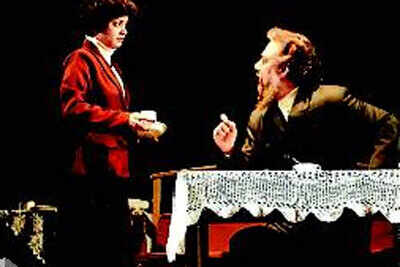
In their latest production, Pancham Vaidic sifts through French existentialist playwright Jean-Paul Sartre���s Les Mains Sales or Dirty Hands or Crime Passionnel, which deals with themes of idealism versus realism, philosophical beliefs against political convictions and love as opposed to lust. While the group quite manages to present the content of the play on stage, the essence of this highly opinionated piece is compromised right from Scene I Act I of the drama.  The play revolves around Hugo (Siddhartha), a 20-something member of an underground Communist party, who perceives the world in black and white, or perhaps, red and white. He has been assigned the job to kill Hoederer, the leader of the party in the fictitious European town of Illyria. Plotted as a political murder, Hugo���s modus operandi doesn���t fail to resemble a crime of passion. Siddhartha is believable as long as you focus on his ���existential attitude��� ��� a prominent feature in Sartre���s works ��� which highlights his agony in times of confusion. The actor brings out the idealistic trait in Hugo rather convincingly, as he whines through most of the play.
Arpita Ghosh, who has translated the play into Bengali and plays Hugo���s wife, Jessica, seems to have confused the existentialist play with an absurdist drama because her acting is way over-the-top. Unlike the one in Sartre���s work ��� arguably one of the most gripping characters in the play ��� Arpita���s Jessica is ungraceful and seemingly mindless! Paromita as Hugo���s fellow comrade, Olga, is loud and there���s no dramatic redemption for the character as she is left without anything meaningful to do. The star of the play is Babu Datta Roy as Hoederer who steals the show with his commanding baritone and strong body language.
The prominent let down comes in the form of the mother-tongueinfluence or MTI in dialogue delivery which plagues three of the four pivotal actors. So, you hear pronunciations such as ���choc-oolate���, ���assassina-tion���, ���oyedaar (read: whether) he is phit (fit) for salbhej (salvage)��� and ���daai-rect (direct) action��� quite frequently and it comes across as jarring.
A nice big chunk of the play���s duration is wasted on voice-overs which try to connect the dots between the Acts only to test the audience���s patience. But on the positive side, the stage props and set designing are impressive and help create the post World War II ambience.
Word of advice: Watch out for Sartre���s genius, don���t assassinate your time waiting for the dramatic spark, which never comes.
Arpita Ghosh, who has translated the play into Bengali and plays Hugo���s wife, Jessica, seems to have confused the existentialist play with an absurdist drama because her acting is way over-the-top. Unlike the one in Sartre���s work ��� arguably one of the most gripping characters in the play ��� Arpita���s Jessica is ungraceful and seemingly mindless! Paromita as Hugo���s fellow comrade, Olga, is loud and there���s no dramatic redemption for the character as she is left without anything meaningful to do. The star of the play is Babu Datta Roy as Hoederer who steals the show with his commanding baritone and strong body language.
The prominent let down comes in the form of the mother-tongueinfluence or MTI in dialogue delivery which plagues three of the four pivotal actors. So, you hear pronunciations such as ���choc-oolate���, ���assassina-tion���, ���oyedaar (read: whether) he is phit (fit) for salbhej (salvage)��� and ���daai-rect (direct) action��� quite frequently and it comes across as jarring.
A nice big chunk of the play���s duration is wasted on voice-overs which try to connect the dots between the Acts only to test the audience���s patience. But on the positive side, the stage props and set designing are impressive and help create the post World War II ambience.
Word of advice: Watch out for Sartre���s genius, don���t assassinate your time waiting for the dramatic spark, which never comes.
End of Article
FOLLOW US ON SOCIAL MEDIA








Photostories
entertainment videos
Featured In Movies

Popular Categories
Entertainment NewsBollywood NewsTollywood NewsKollywood NewsMollywood NewsMovie ReviewsLatest Hindi MoviesLatest Tamil MoviesMX PlayerParenting TipsHome RemediesWeight LossBeauty TipsParenting TipsHindi VideosHindi Video SongsBhojpuri Music VideosLatest Telugu MoviesBhojpuri Music VideoHindi TV News
Trending in Entertainment
Latest MoviesBollywood MoviesHollywood MoviesTamil Movies 2024Telugu Movies 2024Malayalam Movies 2024Kannada Movies 2024Marathi Movies 2024Bengali Movies 2024Top Rated Movies 2024Best Hindi MoviesBest English MoviesBest Telugu MoviesBest Tamil MoviesBest Malayalam MoviesBest Kannada MoviesBest Bengali MoviesUpcoming Hindi MoviesBest Movies Of All TimeBest Hindi Movies of All Time
Trending in Etimes
Horoscope TodayNumerology Predictions TodayKamala HarrisRobert F Kennedy JrBarron TrumpElon MuskAnna Paulina LunaJustin TrudeauTrump Town Hall Key TakeawaysInternational Day of PeaceDonald TrumpSNL 50 SeasonKamala HarrisSituationship TipsUsha UthupRelationship TipsSean Diddy CombsMiley CyrusJennifer Lopez
Trending in TV
Trending in Lifestyle
Trending in Regional
Movie Reviews
Yudhra ReviewJo Tera Hai Woh Mera Hai ReviewKahan Shuru Kahan Khatam ReviewHis Three Daughters ReviewNever Let Go ReviewDancing Village: The Curse Begins ReviewTransformers One ReviewFirst Love ReviewBerlin ReviewThe Buckingham Murders ReviewSpeak No Evil ReviewVisfot ReviewThalapathy Is The G.O.A.T ReviewRebel Ridge Review
Upcoming Hindi Movies
Upcoming Regional Movies
Latest News
EC team in Jharkhand to review poll preparednessElon Musk's SpaceX to send uncrewed Starships to Mars by 2026: “One of my biggest concerns right now..”Commonwealth Master's Scholarship application open for Sept 2025: Check benefits, eligibility and how to applyGhosts Season 4: Premiere date, plot, and cast revealedWhat is the 30-30-30 weight loss method? How to do it for maximum benefits?Mom's everyday tips were a must for golden boy D GukeshYudhra Box Office: Siddhant Chaturvedi starrer earns only Rs 8.60 crore over the weekendKaun Banega Crorepati 16: Amitabh Bachchan praises Ujjwal’s resilience as he attempts the 1 Crore questionGen-Z slang words explained: 30 terms you need to knowThe truth about sugar substitutes: Safe alternative or hidden health risk?Decomposed body of civil services aspirant found in Delhi'I will come to any of your houses and start living with you': Arvind Kejriwal tells Delhi people at Janta Ki AdalatGemini, Daily Horoscope Today, September 23, 2024: Face financial strain today with expenses outpacing incomeBMC issues fresh ad for eligible candidates for nearly 2,000 clerk postViral video fact-check: Snake biting raw tomatoes in farms makes them poisonous?Aishwarya Rai set to take the Paris Fashion Week by storm; reaches the venue with daughter Aaradhya Bachchan - WATCH videosRajinikanth reacts to 'Vettaiyan' audio launch success and the viral hit of 'Manasilaayo'Margot Robbie strolls with baby bump, following 'The Sims' film adaptation news
Other Group Sites -
ETimes is an Entertainment, TV & Lifestyle industrys promotional website and carries advertorials and native advertising.